
Product image
ThinkFun Gravity Maze Marble Run
Logic game that combines marble run building with spatial reasoning puzzles.
Check price
Children at this age can handle more complex challenges and longer activities. Strategy games, simple coding toys, and hands-on science experiments become appropriate and engaging.
First and second graders are developing reading fluency, mastering basic math operations, and building logical thinking skills. They can follow multi-step instructions and work independently for longer periods.
The best toys for this age combine learning with genuine fun—strategy board games, STEM kits, creative building challenges, and activities that let them see real results from their efforts.
This page contains affiliate links. As an Amazon Associate I earn from qualifying purchases. Learn more
At ages 6–7, children benefit most from activities that build these developmental skills.
The types of toys that work best for this age group.
Games that require planning, logic, and critical thinking.
Hands-on experiments and building projects that teach scientific concepts.
Introduction to computational thinking through games and robots.
Complex construction toys that challenge spatial reasoning and engineering skills.
Carefully selected toys that deliver real learning value for this age group.
Logic game that combines marble run building with spatial reasoning puzzles.
Check price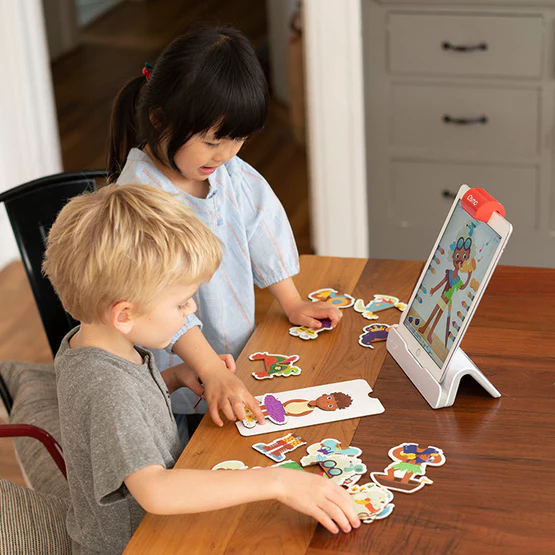
Hands-on iPad-based learning system covering math, spelling, problem-solving, and creativity.
Check priceBuild working electronic circuits with snap-together components—no tools needed.
Check priceProgressive difficulty levels keep kids challenged, combines engineering with logic puzzles, and provides immediate visual feedback when solutions work.
Bridges physical and digital play, adaptive difficulty, and makes screen time educational and interactive.
Introduces real electrical engineering concepts safely, 100+ projects included, and builds confidence through hands-on success.
Six and seven-year-olds can handle more challenging toys. Look for kits with progressive difficulty levels, detailed instructions they can follow independently, and projects that take multiple sessions to complete.
This age appreciates seeing tangible results from their efforts. Choose STEM kits that produce working circuits, chemical reactions, or functional robots. The pride of building something real is powerful motivation.
Board games that rely purely on dice rolls can frustrate this age. Look for games where decisions matter and strategy improves outcomes. Games like chess, Sequence, and logic puzzles teach valuable thinking skills.
Mix solo activities (puzzles, building projects, reading) with collaborative games. This age is developing independence but still needs social play opportunities to build teamwork and communication skills.